Written by Natasha Short
Madagascar is a very diverse and culturally rich country. Before coming to Madagascar, I barely knew anything about it apart from the fact that it has dancing lemurs (or does it? find out below). If you are anything like me, then the country of Madagascar is a bit of an unknown. In honour of Madagascar’s Independence Day public holiday, which was this past week on the 26th of June, I will share some facts and history that I have learnt since arriving in this wonderful country.
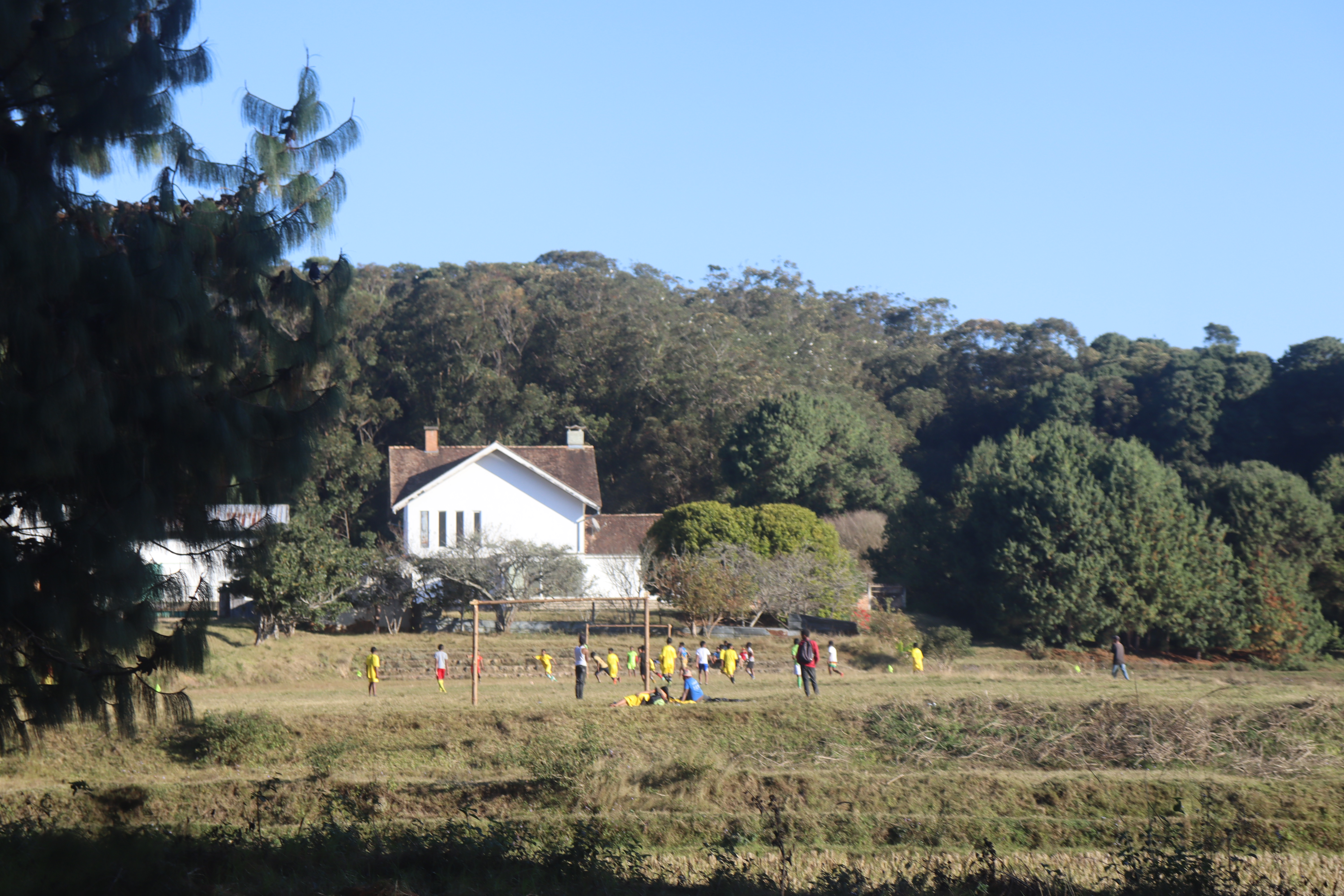
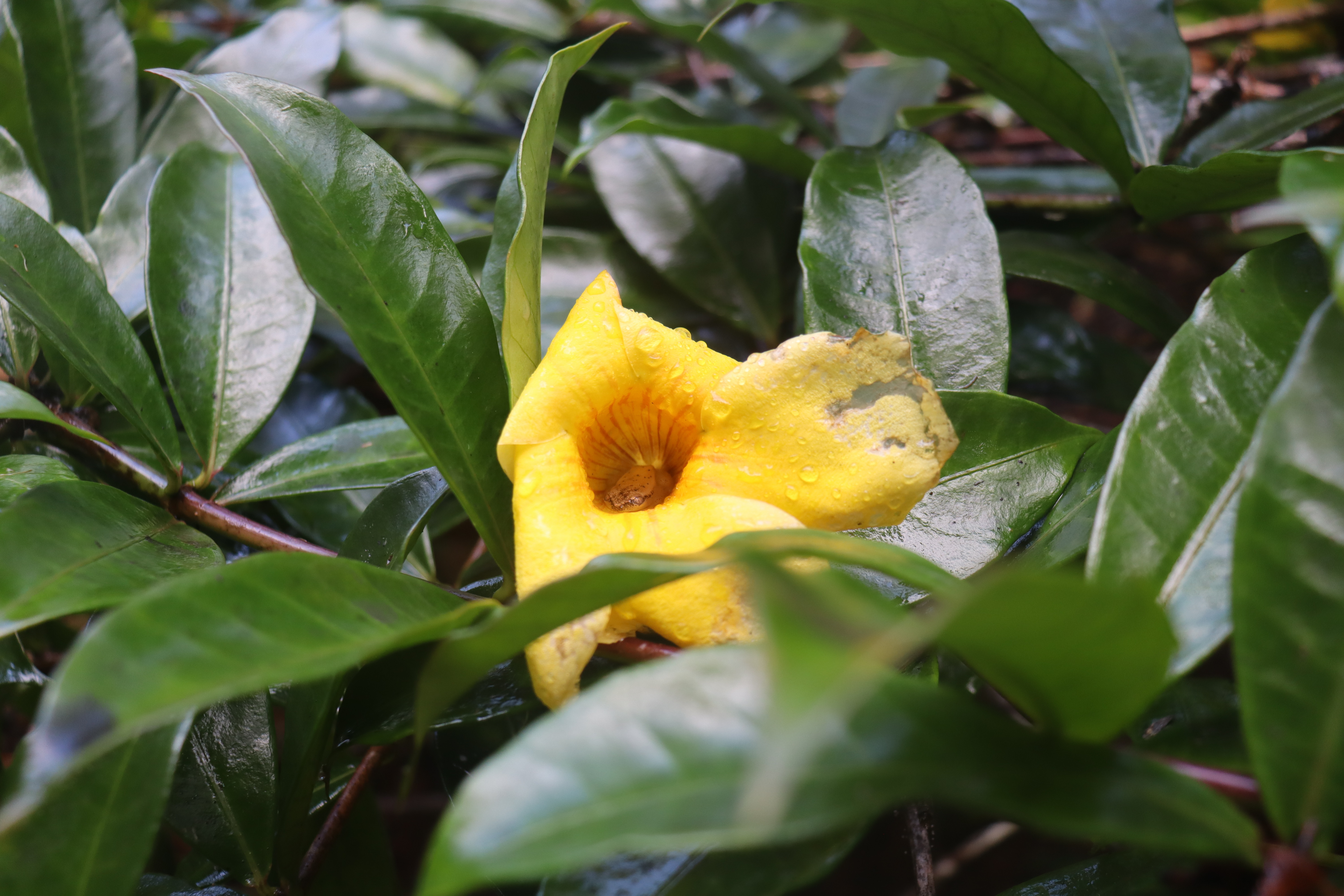

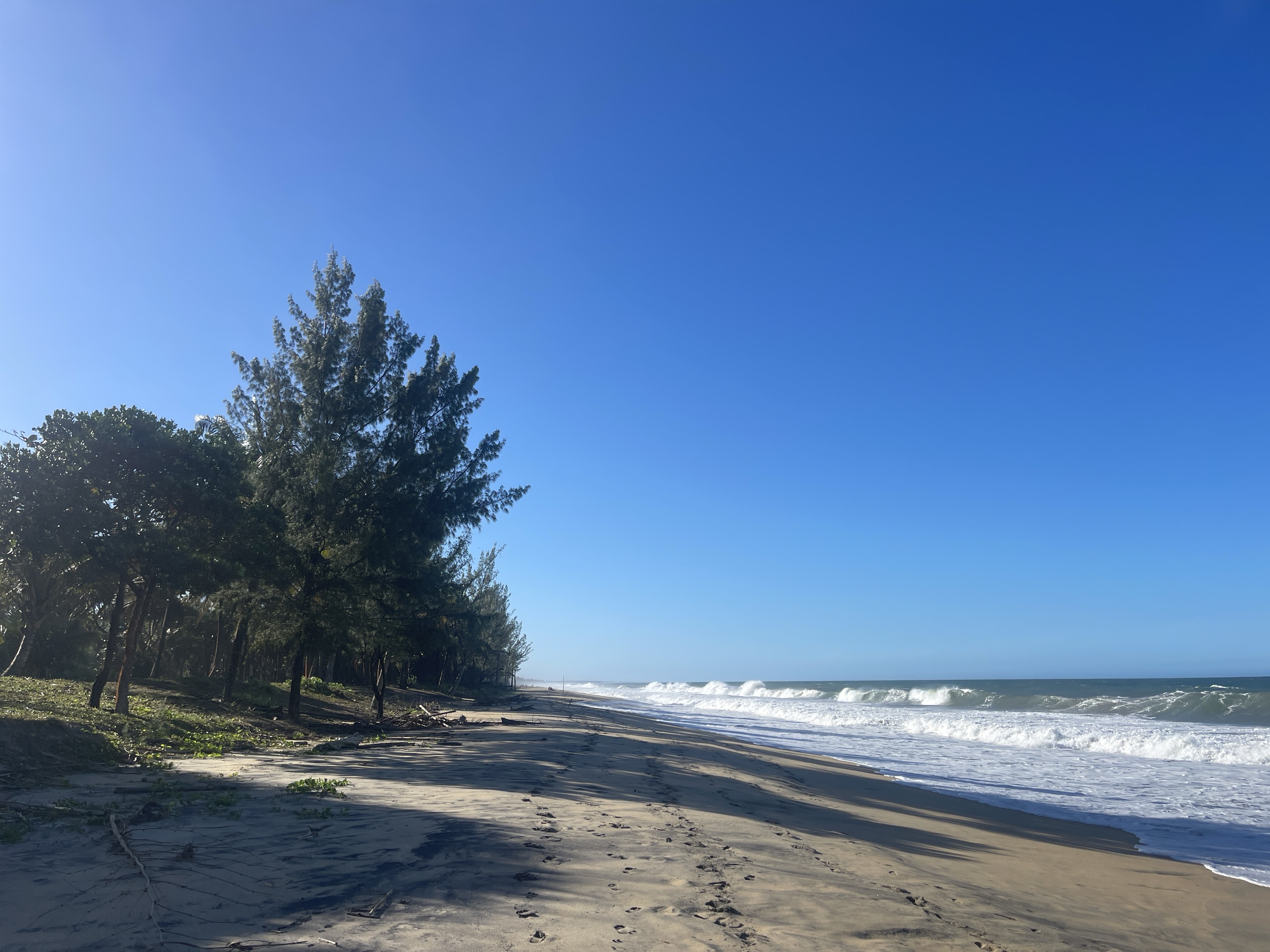
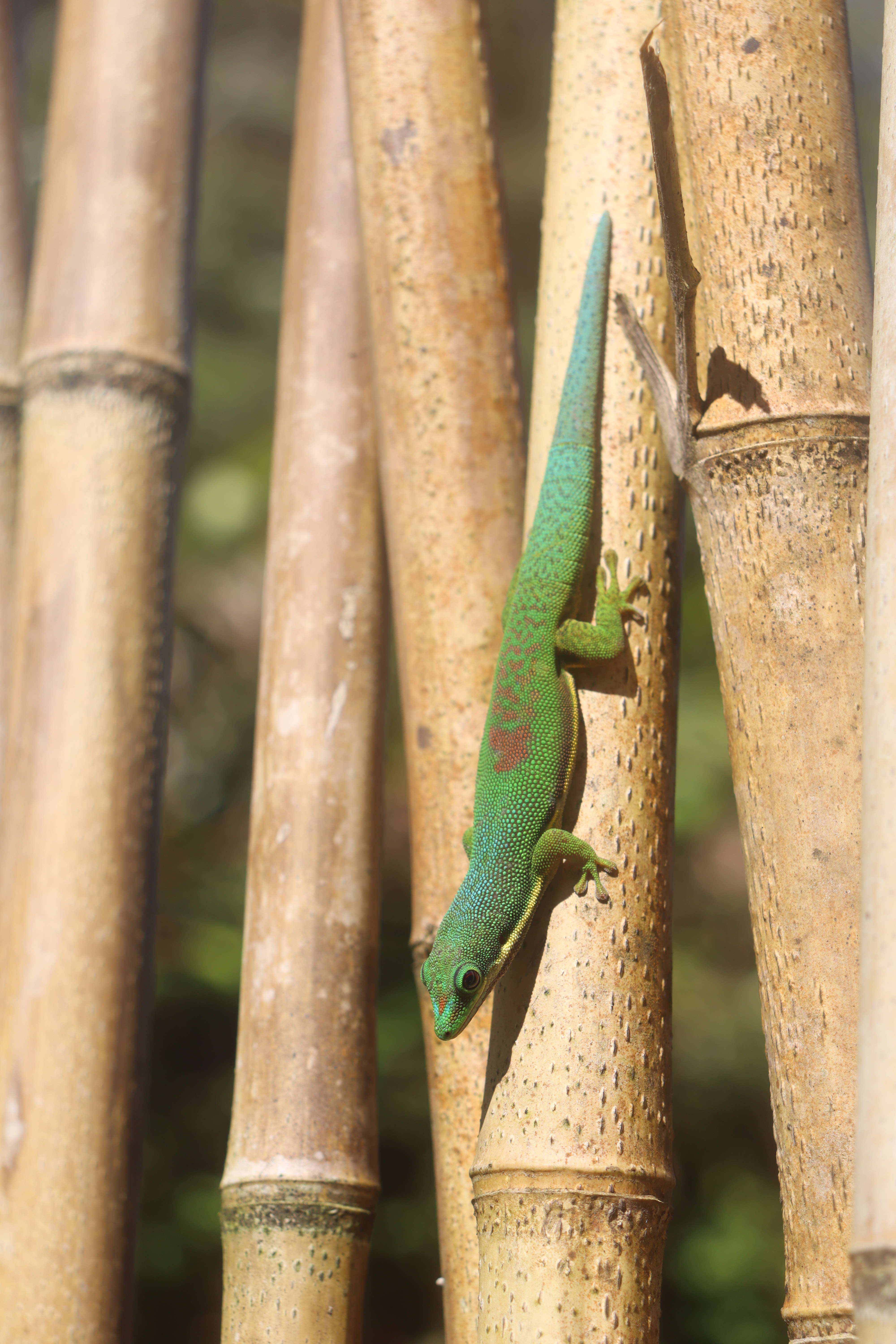
(Photos by Natasha Short)
Before I get to my list, let’s start with some background information about Madagascar and its independence. Madagascar is the world’s fourth largest island, and it is located 400 kilometres east of the main African continent, separated by the Mozambique channel. Its population is bigger than Australia, with 31.1 million people.
Madagascar was colonised by the French in 1880. During this time, they took many African slaves to help build main roads and towns by hand. The town in the east of Madagascar called ‘Moramanga’ was a hub for slave trading and people being used for unpaid labour. It was the people of Moramanga who started protesting the French Colonial rule on the 29th of March, 1947. As the French tried to suppress this rebellion, thousands of Malagasy people were killed, many in horrific ways to make an example. Initially, about 9000 people were killed; however, over the course of the rebellion, hundreds of thousands of Malagasy people died.
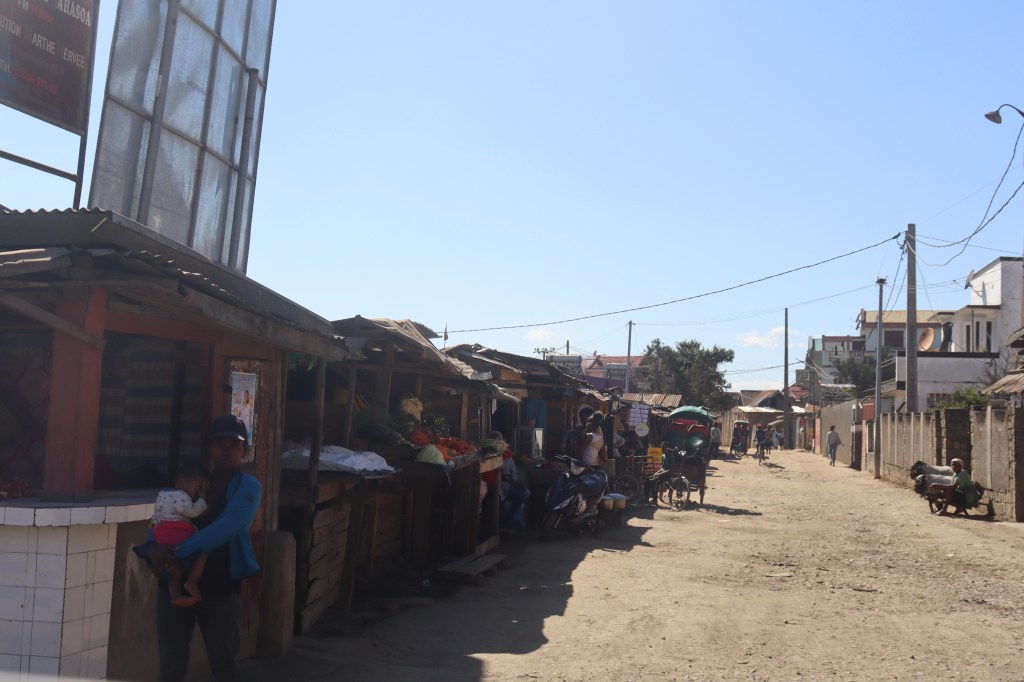
Markets in the town of Moramanga – Photo by Natasha Short
In 1956, the French National Assembly passed a law that introduced universal suffrage in Madagascar. Two years later, in 1958, the people voted in a referendum for Madagascar to have autonomy. Following this, the Malagasy Republic became an autonomous state within the French Community and Madagascar gained independence on the 26th of June in 1960.
Madagascar’s Independence Day is a public holiday, and it is celebrated with fireworks, concerts, dancing and military parades. On the evening of June 25, everyone walks around with colourful lanterns, symbolising hope, and firecrackers are used to remember the shots fired during the war for independence (see below for photos from this years Independence Eve). On the 26th, people gather with their families to share a meal and give thanks to God.
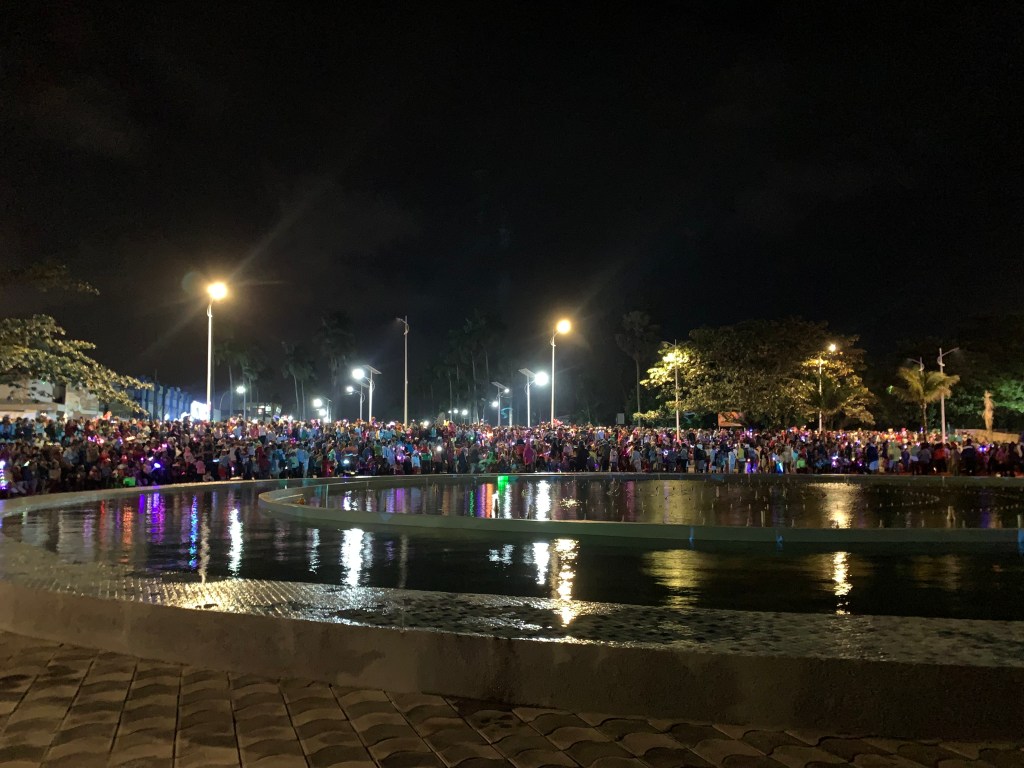
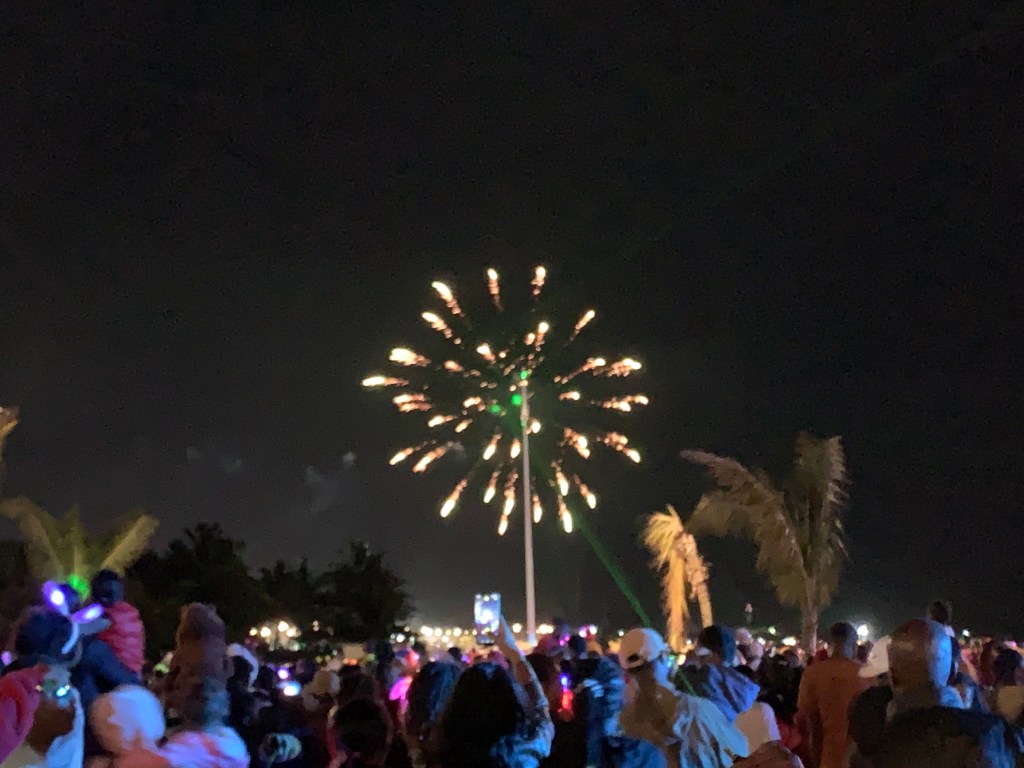

These are ten interesting things I have learnt in my time in Madagascar:
1) The main language spoken in Madagascar is Malagasy. Each region also has its own language; however, people from different regions will speak in Malagasy when communicating with each other. Children learn French in primary school, and English is an elective in high school. Because many children get taken out of school to help work and earn money for the family, it means that not everyone knows French and very few people can speak English.

2) Topographically, Madagascar is like an upside-down spoon. It has highlands in the centre that run from the north to the south, a coastal strip in the East, and low plains in the West. In the East, the humidity from the Indian Ocean gets trapped by the central highlands, which means it rains a lot in the East and is drier in the West. This also means that landscapes differ greatly depending on the region, and each landscape is unique and beautiful.
(LEFT: Andasibe National Park – Photo be Natasha Short)
3) The people in Madagascar are also vastly different depending on what region you are in. Around the highlands and the city people look more Asian. The people in the north of Madagascar have more Middle Eastern influence, and the people who live on the coast are more typically African. The Malagasy people are believed to be descendants of East Africans and Indonesians.
4) There has been a large increase in people moving to Antananarivo (Tana), the capital of Madagascar, due to people looking for employment. About 50 per cent of people in the city don’t have access to electricity and rely on charcoal and wood for cooking and heat. There are also frequent blackouts due to overpopulation in the city. During COVID times, the Malagasy people depleted the country’s natural resources in an attempt to use anything they could to get an energy source or income. Experts predict that Madagascar has lost 90% of its original forest cover. Because of this, in some regions of Madagascar eucalyptus trees were imported from Australia and introduced as an easy and fast-growing option instead of the native trees that don’t grow as well after being chopped down (I haven’t seen any koalas yet though).
5) Madagascar is well known for having some of the world’s worst roads. The main highways are very narrow with blind corners and potholes and are used by overfilled trucks, causing the road to degrade. When travelling on the road between Tana and the main port, it took 13 hours to travel 325 kilometres, and there were three trucks that had tipped over. Everyone is also overtaking on the other side of the road frequently. Because of this, locals, children, and anyone who can see the situation, give hand gestures or honks to help avoid accidents. If there is a breakdown or accident, there is no ambulance or police to come if you are outside of the cities. It is up to passing vehicles and locals to help.
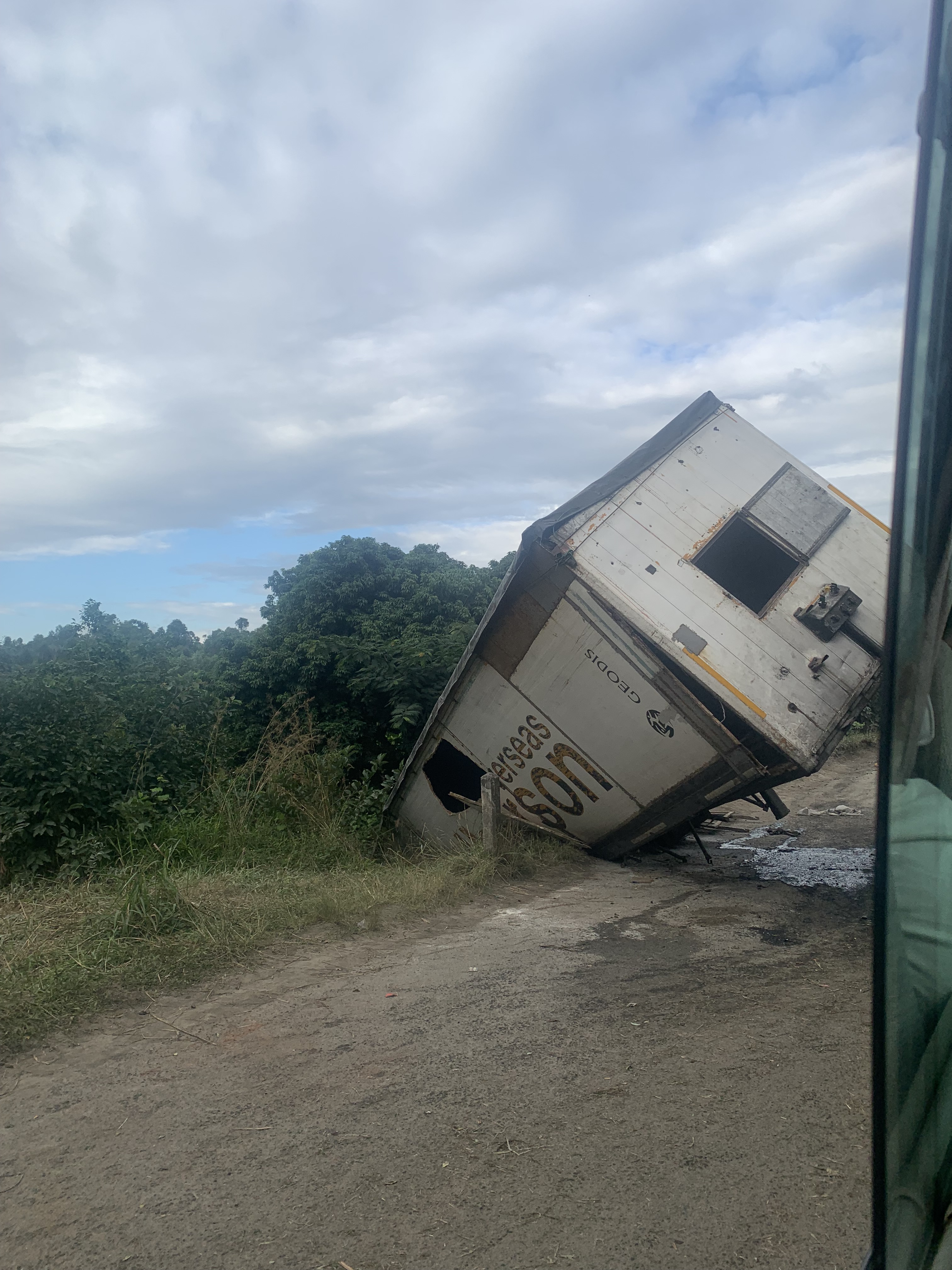
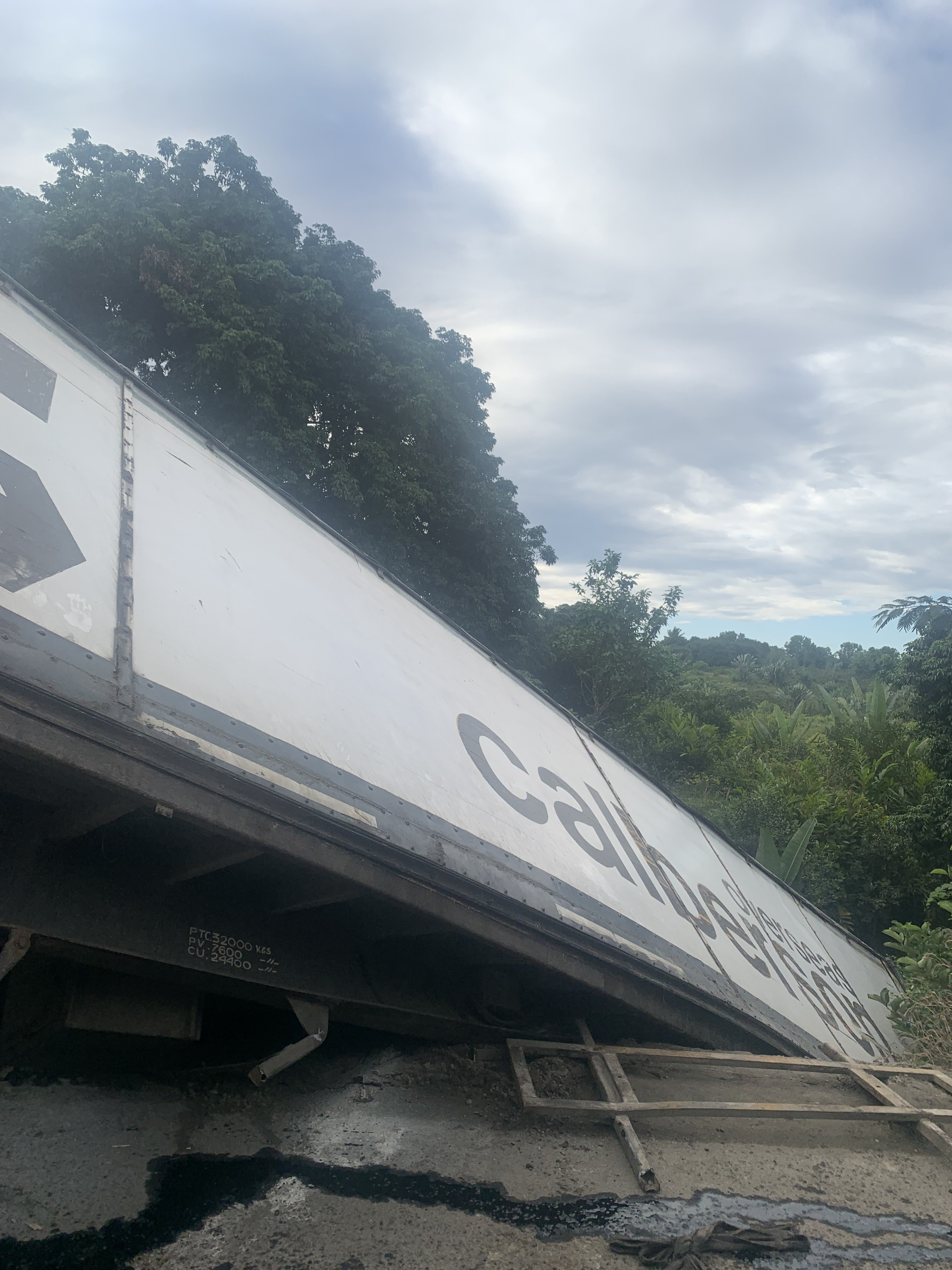

(Photos by Natasha Short)
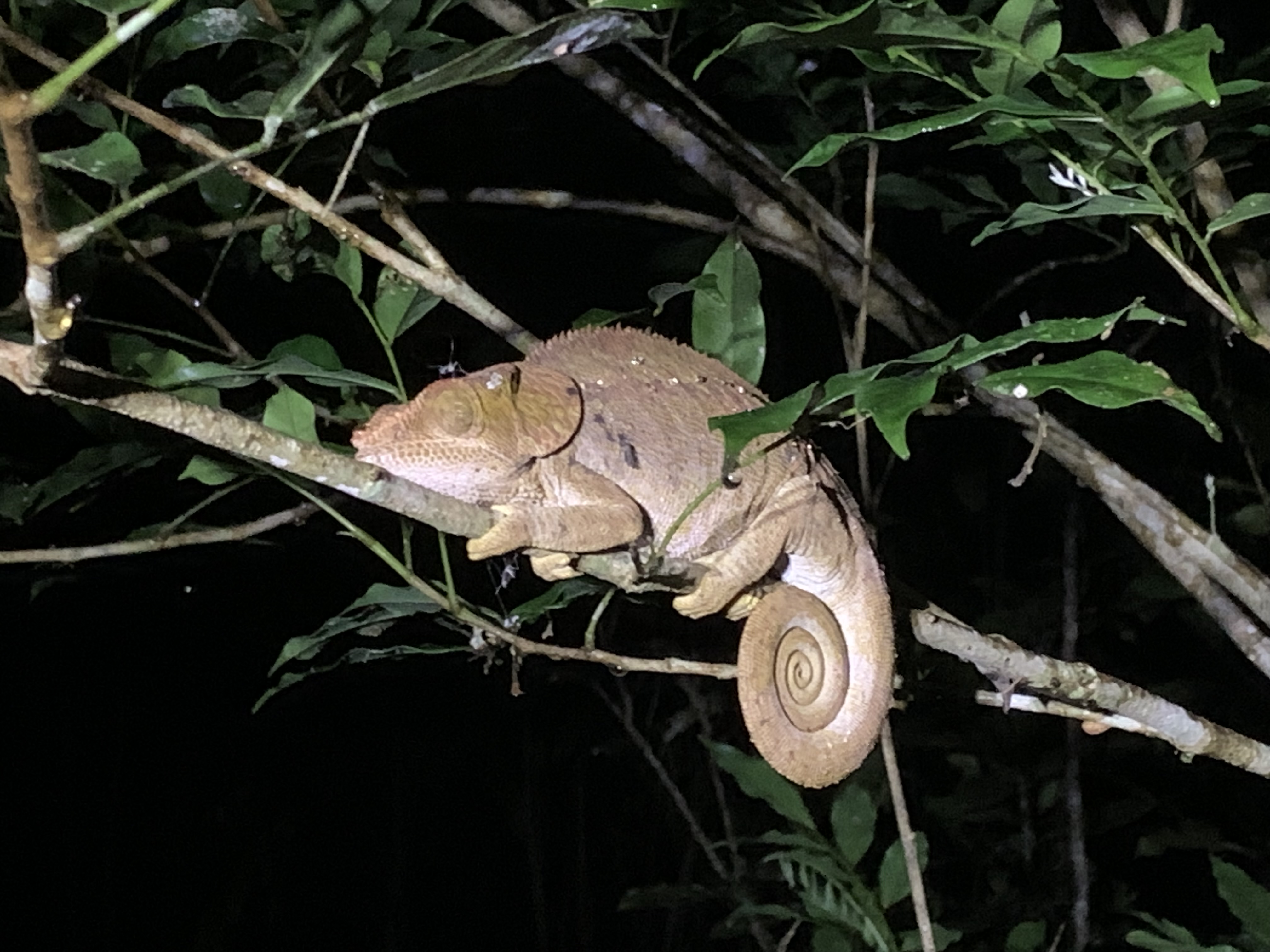
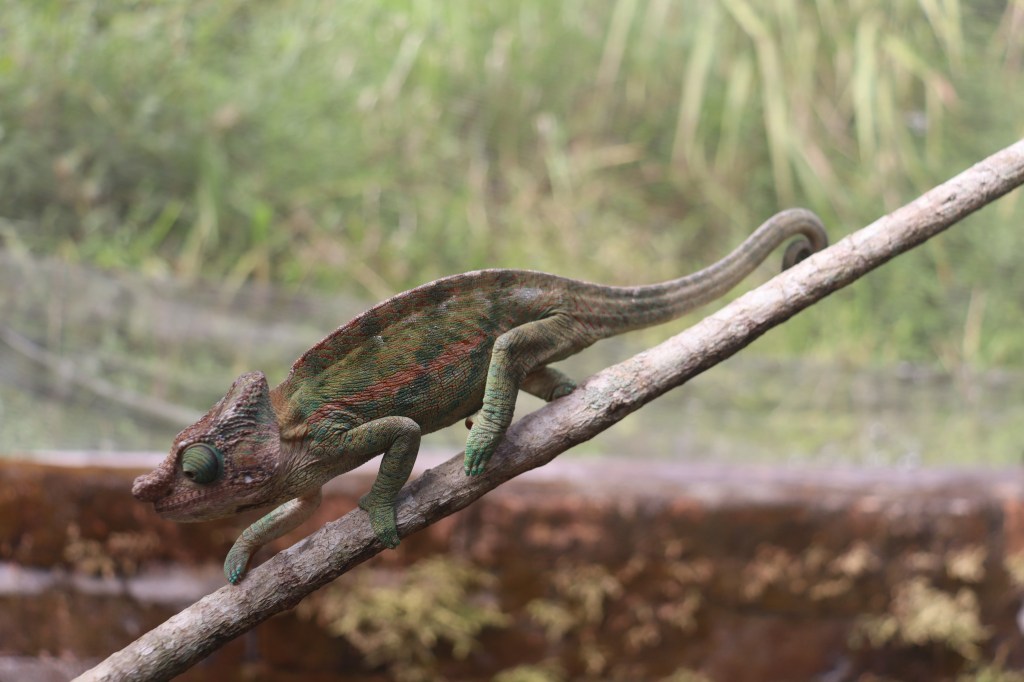
6) The Malagasy way of life is like the chameleon: Mora Mora (slowly slowly). Chameleons use their toes and tails to move around and have panoramic vision. They use their tongues, which are twice as long as their bodies, to catch food. If a chameleon’s tongue was a car, it would be able to accelerate from 0 to 100 kilometres per hour in one-hundredth of a second.
(RIGHT: Chameleon in Andasibe Nation Park – Photo by Natasha Short)
7) Wild lemurs are only found in Madagascar. There are over 100 different species of lemur. The ‘black and white ruffled’ lemurs are the only lemur that can swallow while hanging upside down. The others can’t like humans. The ‘Coquerel’s sifaka’ lemur (affectionately known as the ‘dancing lemur’) stands upright and uses its back legs to bounce from side to side. The ‘bamboo’ lemurs have very sharp teeth that enable them to chew through bamboo, which is their main food source.
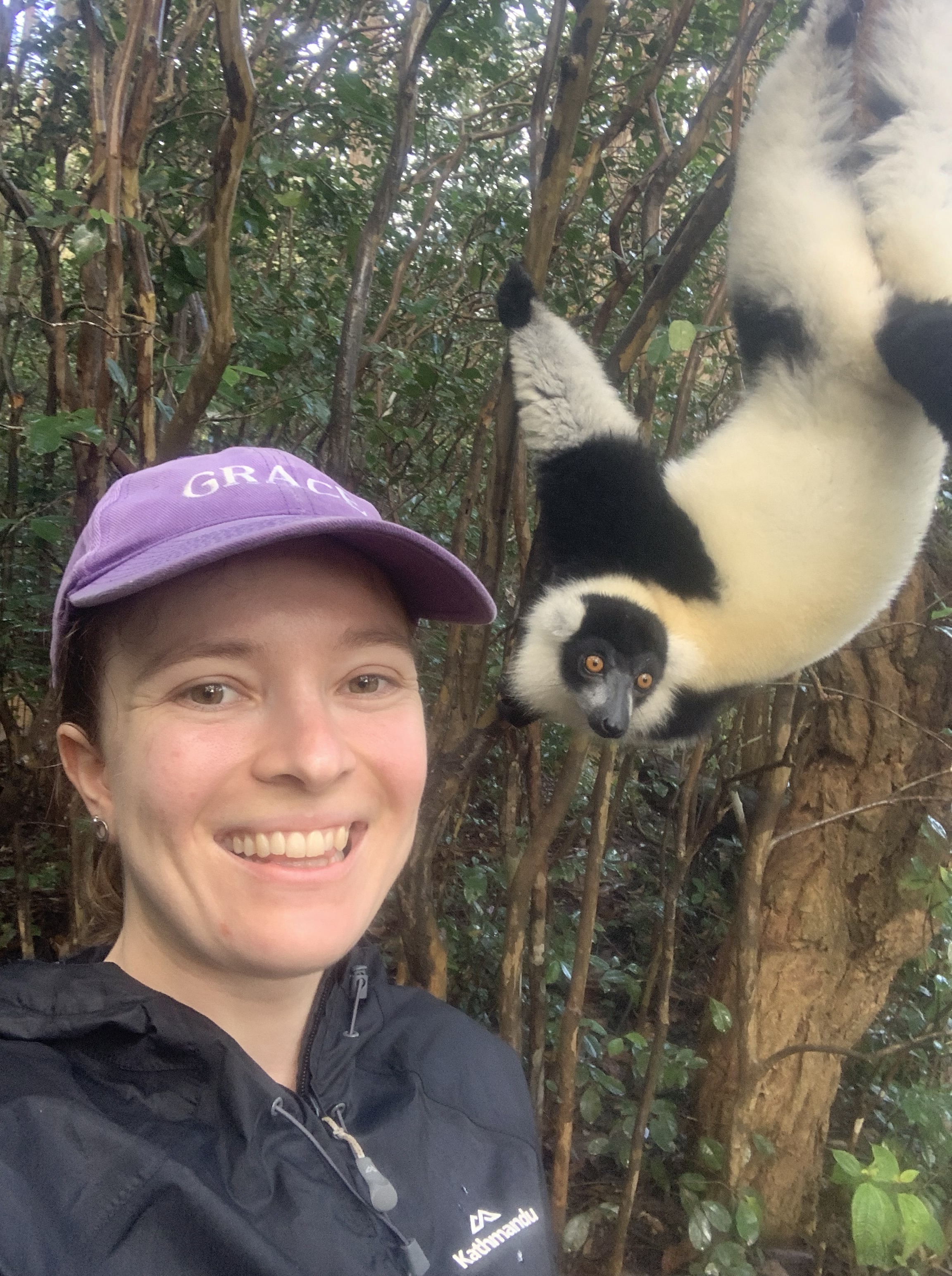
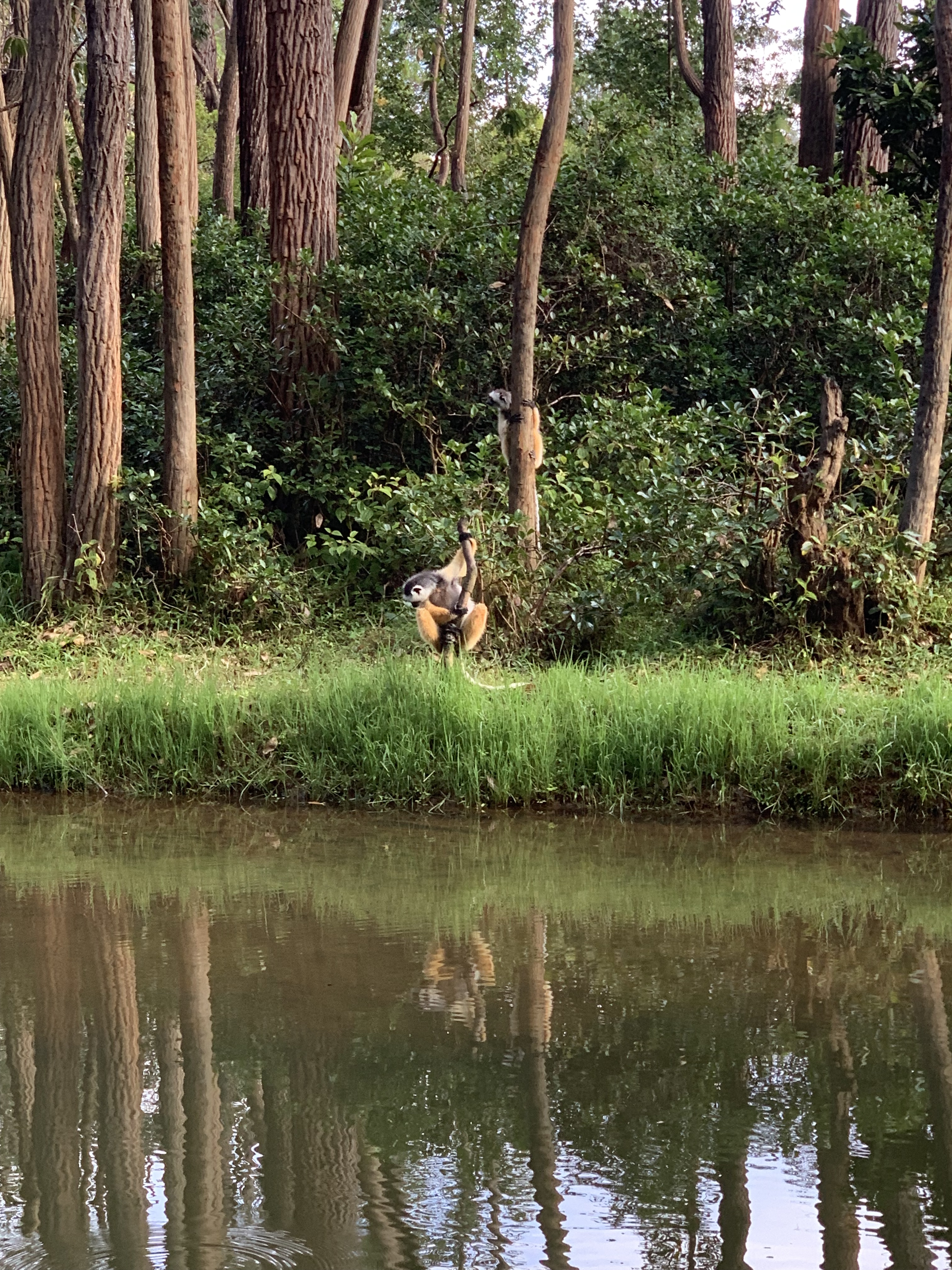
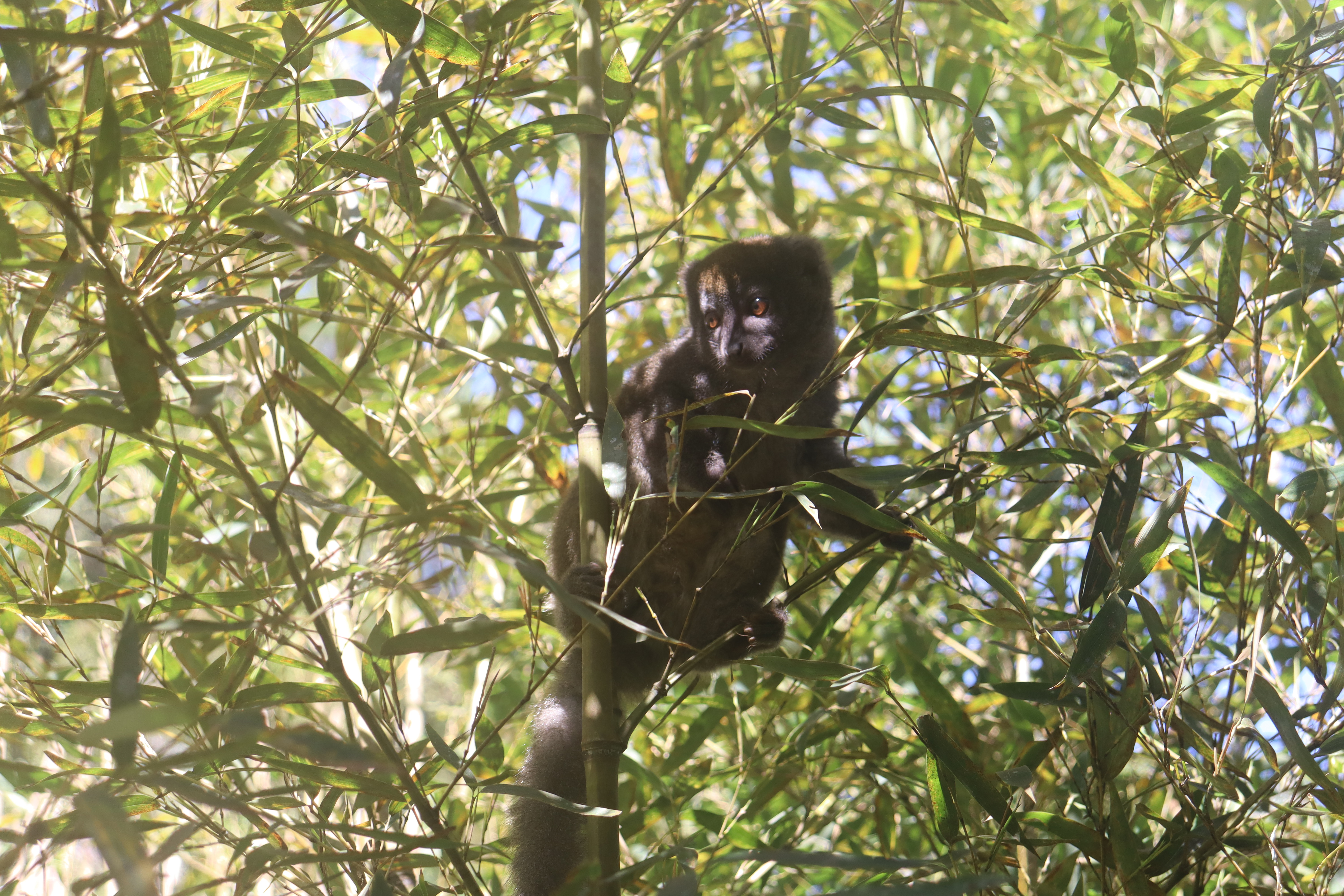
(LEFT TO RIGHT: Black and white ruffled lemur; Coquerel’s sifaka lemur; bamboo lemur – photos by Natasha Short)
8) Madagascar makes nice, dark chocolate in the north. Rice makes up over 90% of Madagascar’s produce. Madagascar is also the world’s leading producer of vanilla. Madagascar supplies the world with 80% of its natural vanilla and vanilla makes up 25% of Madagascar’s exports.
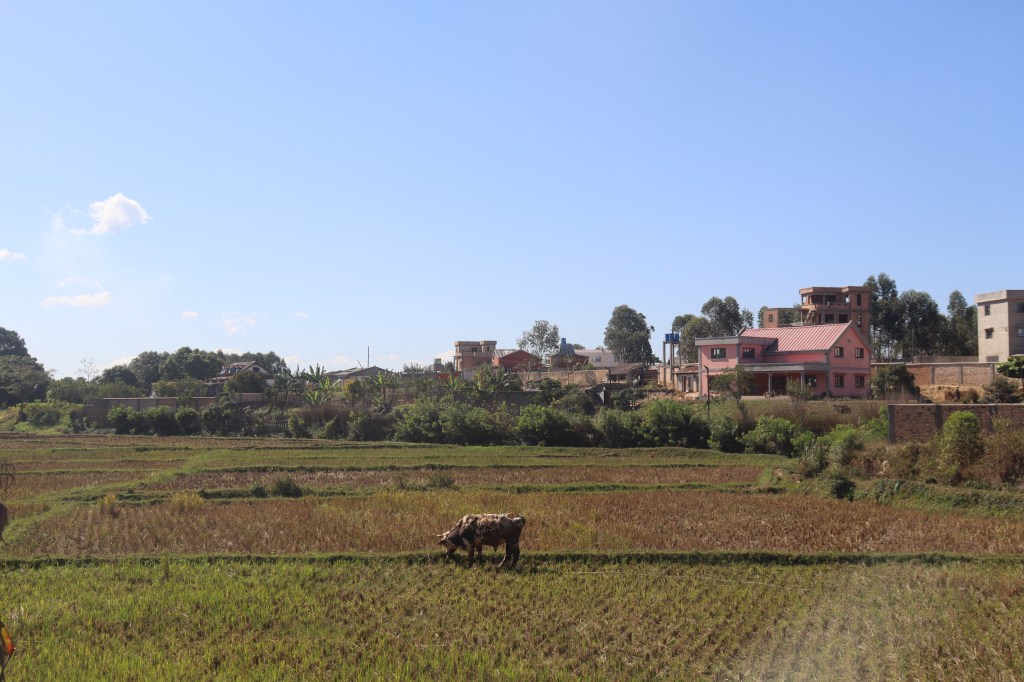
A cow standing in a rice field – photo by Natasha Short
9) A large amount of rice is consumed in Madagascar, and it is eaten with every meal. A common favourite protein is beef from the animal called ‘Zebu’, which is an animal that looks exactly like a cow except a large hump on their shoulders. Malagasy people typically don’t eat dessert or sweet food. Instead, they have Ranu Voula, which is burnt rice water.
10) Madagascar is ranked in the top 10 of the world’s poorest countries and there is very limited access to affordable, safe, and timely surgical care. About 95% of the population would face financial ruin or have no way to pay for surgery if they needed it. There is also a very limited number of physicians with approximately 20 for every 100,000 people. ‘Mercy Ships’ is an organisation that provides safe, surgical care to people in sub-Saharan Africa who would otherwise not be able to access it. I am currently volunteering in Madagascar with Mercy Ships as a nurse.

The Africa Mercy docked in Madagascar – photo by Natasha Short
Is there anything that surprised you about Madagascar? Let me know in the comments.
~ Majority of my information is from a great tour guide at the start of my trip and through asking locals many questions. I have fact-checked the information online however, if there is anything that you think is different to what I have said then please let me know. ~
 Seek Find Tell